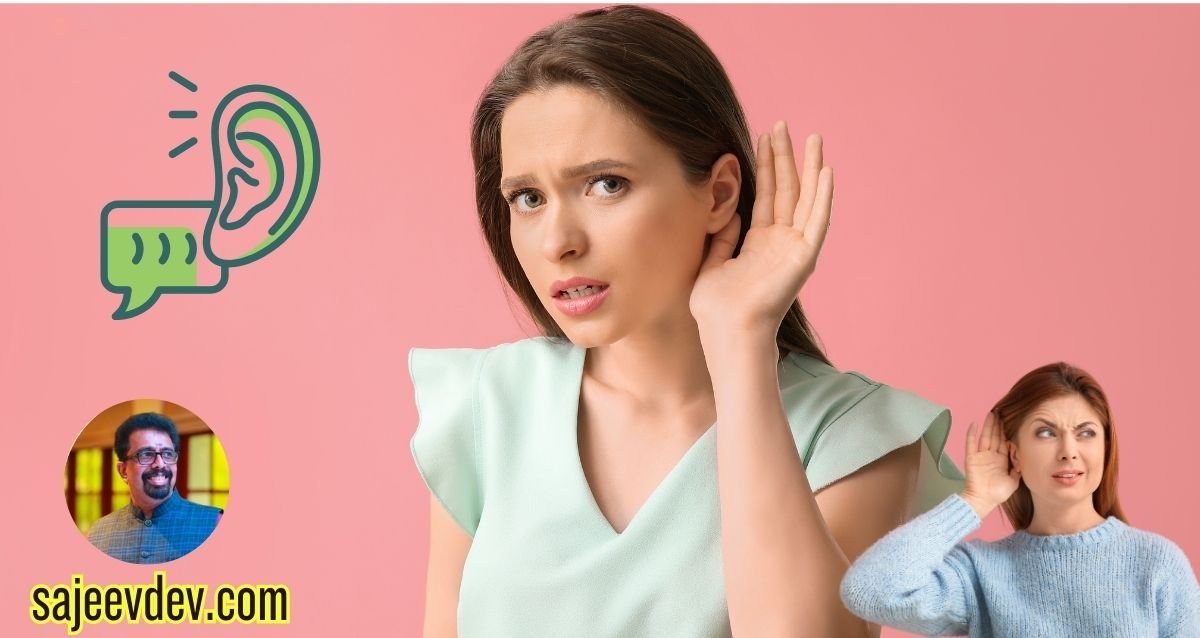

Active Listening
Active listening is a fundamental communication skill that goes beyond the basic act of hearing sounds. It involves fully engaging with the speaker, processing the information conveyed, and responding thoughtfully. Unlike regular listening, where an individual may simply hear words without truly understanding their meaning, active listening requires cognitive and emotional involvement. This deeper engagement fosters a more profound connection between communicators, allowing for better understanding and retention of information.
The importance of active listening cannot be overstated, particularly in today’s fast-paced world where distractions abound. Many people mistake the act of listening with merely waiting for their turn to speak, which can lead to misunderstandings and a lack of meaningful dialogue. Active listening emphasizes the need to be present in conversations, acknowledging the speaker’s emotions, perspectives, and intentions. This practice not only enhances interpersonal relationships but also facilitates problem-solving and conflict resolution, paving the way for more cooperative engagements.
In contrast to passive forms of listening, which often result in a superficial grasp of information, active listening promotes a comprehensive understanding. It requires the listener to reflect on and clarify what they have heard, often through paraphrasing or asking probing questions. This engaged approach encourages speakers to articulate their thoughts more clearly and feel valued in the interaction. Mastering active listening can transform personal and professional relationships, leaving all parties feeling heard and understood. By inviting curiosity and empathy into our conversations, we cultivate a culture of trust that benefits both individual growth and collective collaboration.
The Benefits of Active Listening
Active listening is a fundamental communication skill that fosters stronger relationships, enhances understanding, and resolves conflicts in both personal and professional realms. When individuals engage in active listening, they not only hear the words being spoken but also comprehend the underlying emotions and intentions. This level of engagement can lead to improved relationships, as it conveys respect and validation for the speaker’s perspective.
Research indicates that practicing active listening can significantly enhance interpersonal relationships. According to a study published in the “Journal of Business Research,” teams that routinely employ active listening techniques are more cohesive and experience less conflict. This finding underscores the critical role that active listening plays in fostering collaboration and cooperation. Additionally, in a survey conducted by the International Listening Association, 92% of participants noted that active listening improved their relationships with colleagues and friends, demonstrating its widespread impact.
Active listening also plays a pivotal role in conflict resolution. By genuinely understanding the concerns and perspectives of others, individuals are more equipped to address disputes constructively. A notable example can be seen in mediation processes, where active listening forms the foundation for reaching mutually beneficial agreements. By allowing all parties to express their viewpoints fully, misunderstandings can be clarified, leading to a more amicable resolution.
Moreover, trust is significantly heightened through the practice of active listening. When individuals feel heard and valued, they are more inclined to open up and share their thoughts, resulting in more profound and meaningful conversations. As empathy flourishes, relationships deepen, contributing positively to one’s overall satisfaction in interactions. Ultimately, the benefits of active listening extend far beyond the immediate conversation, laying the groundwork for a more connected and understanding society.
Key Components of Active Listening
Active listening encompasses several key components that contribute to effective communication and understanding. The first essential element is attention. This entails giving the speaker your undivided focus, thereby indicating that you value their message. Practicing active attention involves not only listening to the words being spoken but also observing non-verbal cues like gestures, facial expressions, and eye contact. Techniques such as eliminating distractions, maintaining an open posture, and nodding appropriately can enhance one’s attentiveness during conversations.
The next critical component is empathy, which allows the listener to connect with the speaker’s feelings and perspectives. Empathy goes beyond simply understanding the message; it involves genuinely relating to the emotions behind it. To foster empathy in active listening, one can practice verbal affirmations, such as summarizing the speaker’s thoughts or expressing understanding through phrases like “I can see how you feel that way.” This not only validates the speaker’s emotions but also encourages a deeper dialogue.
Feedback is another foundational aspect of active listening. Providing thoughtful feedback confirms that the listener is engaged and processing the information being shared. Constructive feedback can take various forms, including asking clarifying questions or paraphrasing essential points to ensure comprehension. Furthermore, this feedback loop encourages open communication and can lead to a more enriching exchange of ideas.
Clarification is also vital to the active listening process. When a listener is uncertain about specific details or the context of the speaker’s message, seeking clarification allows for a more robust understanding. Techniques for clarification include asking questions that delve deeper into the topic or prompting the speaker to elaborate on particular points. Incorporating these components into daily conversations will not only enhance the quality of communication but also foster stronger relationships through a shared understanding.
Barriers to Active Listening
Active listening is an essential skill for fostering effective communication and understanding. However, several barriers can significantly obstruct our ability to listen actively. One of the most common obstacles is distractions. These can stem from the environment, such as noise and interruptions, or from within ourselves, where our thoughts may wander elsewhere. To address this challenge, it is crucial to cultivate an awareness of our surroundings and minimize elements that can divert our attention during conversations.
Another barrier to effective listening is the presence of preconceived notions. When individuals enter a conversation with biases or assumptions about the speaker or the topic, it can hinder their ability to fully absorb the information being presented. This can lead to misinterpretation and withdrawal from the exchange. To overcome this obstacle, one should approach discussions with an open mind, allowing for the possibility of new insights and perspectives.
Emotional barriers also play a significant role in active listening. Strong emotions, whether related to the subject matter or personal feelings towards the speaker, can cloud judgment and inhibit concentration. It is vital to acknowledge these feelings without letting them dominate the listening process. By practicing emotional regulation and focusing on the speaker’s message, listeners can better engage in the interaction.
Cultural differences present another layer of complexity in active listening. Variations in communication styles, norms, and values among individuals from diverse backgrounds can lead to miscommunication. To navigate this barrier, one should invest time in understanding different cultural perspectives and adjust their listening strategies accordingly. Being aware of these cultural nuances enables individuals to respond more thoughtfully and effectively in conversations.
Recognizing these barriers is the first step toward improving listening habits. By identifying distractions, challenging preconceived notions, managing emotional responses, and embracing cultural differences, individuals can enhance their active listening skills and develop stronger interpersonal connections.
Techniques for Practicing Active Listening
Active listening is a crucial skill that enhances communication and fosters deeper connections. To develop this skill, it is essential to practice specific techniques that facilitate genuine understanding. One of the fundamental techniques is maintaining eye contact. This simple act demonstrates your attentiveness and signals to the speaker that you are genuinely engaged with what they are saying. It reassures them that their words are being valued, creating a safe space for open dialogue.
In addition to eye contact, using appropriate body language can significantly contribute to effective communication. Nodding occasionally and using facial expressions that reflect empathy can enhance the speaker’s feeling of being heard. Leaning slightly forward can also indicate your interest, while ensuring that your posture is open and inviting. These non-verbal cues play an essential role in conveying your attentiveness and willingness to engage in meaningful conversation.
Another effective active listening strategy involves reflecting on what has been said. After the speaker expresses their thoughts, summarizing or paraphrasing their statements not only shows that you are listening but also helps clarify any misunderstandings. This practice encourages the speaker to elaborate on their ideas, thereby deepening the discussion. For example, you could respond with statements like, “What I hear you saying is…” or “It sounds like you feel…” to confirm your understanding.
Furthermore, asking probing questions can enhance the quality of the conversation. These questions should be open-ended and encourage the speaker to provide more details, allowing for a fuller understanding of their perspective. Questions such as, “Can you tell me more about that?” or “What led you to come to that conclusion?” promote an exchange that benefits both parties involved.
By incorporating these techniques into your daily interactions, you can cultivate a practice of active listening that not only helps improve your communication skills but also strengthens your relationships.
Active Listening in Professional Settings
Active listening is a crucial skill in the workplace that fosters a collaborative environment, enhances leadership quality, and aids in conflict resolution. It involves engaging fully with the speaker, showing empathy, and responding thoughtfully, which ultimately leads to a deeper understanding of the messages being conveyed. In professional settings, this skill can significantly improve teamwork, as it encourages open communication and ensures that all voices are heard.
One exemplary illustration of active listening promoting better teamwork can be seen in project management scenarios. When team members practice active listening during brainstorming sessions, the diverse perspectives of individuals can lead to innovative solutions. For instance, at a technology firm, the project manager implemented regular feedback sessions that encouraged each team member to express their ideas freely. By actively listening and acknowledging contributions, the manager cultivated an inclusive atmosphere, resulting in higher morale and increased creativity within the group.
Additionally, active listening plays a pivotal role in effective leadership. Leaders who exemplify this skill are often more approachable, allowing team members to share concerns or suggestions without hesitation. By actively engaging in conversations, leaders can not only build trust but also gain valuable insights into their teams’ dynamics. A case study involving a large corporation demonstrated that leaders who practiced active listening experienced a marked improvement in employee satisfaction and retention rates due to the supportive environment it created.
Moreover, conflict resolution is another area where active listening proves beneficial. When conflicts arise, taking the time to listen to each party involved can help pinpoint underlying issues and facilitate constructive dialogue. For example, in a healthcare organization, a conflict between departments was swiftly resolved by leaders conducting listening sessions, where each side could express their viewpoints. Active listening enabled a more nuanced understanding of the problems and led to collaborative solutions that benefitted all parties involved.
Active Listening in Personal Relationships
Active listening holds a pivotal role in fostering strong, meaningful connections within personal relationships, including friendships, family dynamics, and romantic partnerships. This skill enables individuals to engage fully with others, promoting authentic communication. By practicing active listening, one not only hears the words being spoken but also comprehends the emotions and intentions behind those words. This deep level of understanding can significantly enhance the quality of interactions among loved ones.
In friendships, active listening encourages open dialogues where individuals feel valued and understood. When friends actively listen to one another, it fosters a sense of trust and safety, making it easier to navigate through conflicts or misunderstandings. By being genuinely present, friends can share their joys, disappointments, and aspirations without the fear of judgment, leading to deeper, more resilient bonds over time.
Family dynamics also benefit immensely from the practice of active listening. In families, where diverse perspectives and emotional needs often collide, being able to listen actively helps in cultivating empathy. If family members feel heard, they are more likely to express their feelings candidly, leading to improved communication patterns. This foundation of open communication can mitigate tensions and strengthen family ties, creating a nurturing environment for growth and connection.
In romantic partnerships, active listening serves as a cornerstone for emotional intimacy. When partners actively listen, they become attuned to each other’s needs, desires, and vulnerabilities. This attentiveness allows couples to navigate challenges collaboratively, reinforcing the commitment to one another. As partners demonstrate an understanding of each other’s experiences, they cultivate mutual respect and love, which are essential for lasting relationships.
Ultimately, by incorporating active listening into personal relationships, individuals can experience enriched connections characterized by empathy and shared understanding. Through this practice, communication can flourish, allowing relationships to thrive and evolve over time.
The Role of Active Listening in Conflict Resolution
Active listening serves as a foundational element in conflict resolution. This approach not only aids in understanding the perspectives of others but also fosters a more productive dialogue. When individuals engage in active listening during disagreements, they move beyond mere auditory reception of words to a deeper comprehension of the speaker’s emotions and concerns. This process not only enhances interpersonal relationships but also creates a platform for collaborative problem-solving.
To effectively utilize active listening in conflict situations, one must adopt a series of deliberate steps. First, maintaining a calm demeanor is essential. High emotions can cloud judgment and exacerbate tensions, so taking a moment to breathe and compose oneself can greatly enhance clarity. By creating a calm environment, both parties become more willing to share their viewpoints openly.
Next, implementing techniques such as paraphrasing and summarizing what the other person has said can significantly confirm understanding. For example, using phrases like “What I hear you saying is…” can clarify any misconceptions and demonstrate that one is genuinely engaged in the conversation. This creates a sense of validation for the speaker, allowing them to feel heard and appreciated.
Moreover, asking open-ended questions can encourage further dialogue and explore underlying issues. Questions such as “Can you tell me more about how you feel?” can lead to deeper insights and a more nuanced understanding of the conflict at hand. In conjunction with this, it is crucial to practice empathy, recognizing the emotions behind the words and acknowledging their impact. This not only diffuses defensiveness but also builds trust and rapport between the parties involved. By incorporating active listening, individuals empower themselves to navigate conflicts with greater effectiveness, ultimately contributing to more constructive and cooperative outcomes.
Committing to Active Listening
Active listening is not merely a passive act; it embodies a commitment to truly engage with others. Throughout this discussion, we have explored the vital role that active listening plays in enhancing communication, fostering relationships, and promoting understanding. By giving our full attention, maintaining eye contact, and avoiding distractions, we demonstrate respect for the speaker and signal our willingness to connect meaningfully. Such practices improve comprehension and ensure that the speaker feels valued, further strengthening interpersonal bonds.
The significance of active listening transcends personal interactions, extending to professional environments where effective communication is essential. When team members practice active listening, they contribute to a more collaborative and harmonious workplace, resulting in improved problem-solving and innovation. This can lead to greater productivity and job satisfaction, as individuals feel heard and understood. Furthermore, embracing active listening can have positive effects on leadership, helping leaders to inspire and motivate their teams by acknowledging their concerns and ideas.
For readers, the journey towards mastering active listening begins with self-reflection and a conscious commitment to enhance these skills. As one practices active listening in everyday conversations, it becomes easier to cultivate empathy and understanding. Whether in personal relationships or professional settings, the benefits of investing time and energy into truly hearing others are undeniable. Therefore, we encourage you to integrate these practices into your interactions and observe the transformative effects on your relationships.
In conclusion, the power of active listening lies in its ability to foster connection and collaboration. Embracing this skill creates an environment where open dialogue flourishes, and trust develops. We invite you to take the insights shared in this article to heart, commit to improving your listening abilities, and share your experiences with others. Through mutual effort, we can enhance not only our communication but also the quality of our relationships.