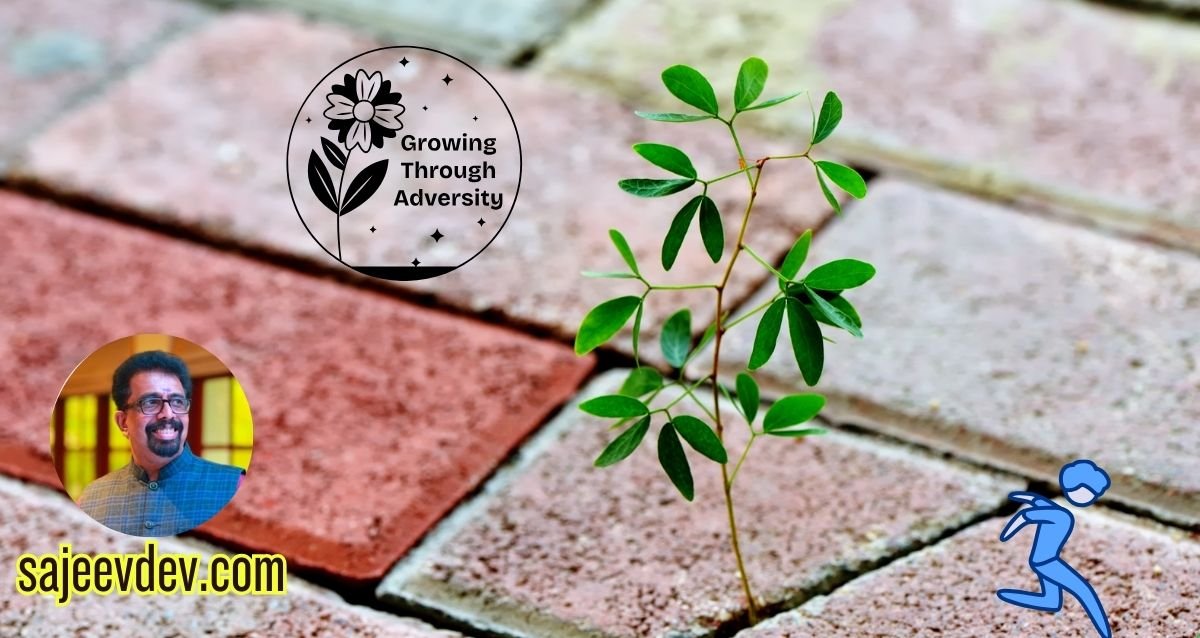

Adversity
Adversity, defined as a state of serious or continued difficulty, is an inescapable aspect of the human experience. Life is inherently filled with challenges, obstacles, and hardships that individuals must navigate. These difficulties can manifest in various forms, including personal loss, health issues, financial troubles, or even societal pressures. Each individual encounters their own unique set of adversities, shaping their perspective and influencing their response to life’s inherent unpredictability.
The omnipresence of adversity underscores the complexity of human existence. Rather than viewing challenges as mere impediments, it is essential to recognize them as catalysts for growth. Adversity serves to highlight our vulnerabilities and exposes the reality that everyone, at some point in their life, faces struggles. These experiences, while often daunting, foster resilience and develop character traits such as empathy, determination, and courage.
Furthermore, the process of overcoming challenges contributes significantly to personal growth. Each encountered obstacle invites individuals to forge their own path, seek solutions, and ultimately emerge stronger. This journey is not a solitary one; in fact, shared experiences of adversity often lead to deeper connections within communities and relationships. The recognition that others navigate similar hardships can cultivate a profound sense of solidarity and understanding.
In light of this, it becomes vital to embrace adversity as an integral component of fulfilling human life. By acknowledging and confronting our challenges, we not only pave the way for personal development but also contribute positively to the world around us. Thus, adversity is not merely a stumbling block but rather a transformative force that encourages resilience and growth throughout life’s journey.
Understanding the Role of Struggles in Personal Development
Struggles are an inherent part of the human experience, often serving as the crucible through which personal development is forged. Various psychological theories highlight the significance of personal challenges in shaping character. One prominent theory is the “growth mindset,” articulated by psychologist Carol Dweck, which posits that embracing challenges and viewing failures as opportunities for growth can lead to greater resilience and personal achievement. According to this perspective, those who encounter difficulties often foster a deep-seated determination that propels them forward in life.
Another important framework is Viktor Frankl’s concept of “meaning-making” in the face of adversity, as detailed in his seminal work, “Man’s Search for Meaning.” Frankl posits that individuals can transcend suffering by finding purpose even in the most arduous circumstances. This notion underlines that grappling with struggles not only cements one’s identity but also enhances emotional and psychological well-being. When faced with adversity, individuals often engage in self-reflection, which can catalyze a stronger self-awareness and understanding of personal values.
The psychological mechanisms at play during these struggles contribute significantly to resilience. When confronted with challenges, individuals develop coping strategies that bolster their emotional fortitude. For instance, the act of problem-solving in adverse situations enhances cognitive abilities and promotes critical thinking. Furthermore, successfully navigating obstacles instills a sense of accomplishment, fostering confidence and a belief in one’s capabilities. As individuals learn to adapt to and overcome difficulties, they invariably cultivate qualities such as empathy, compassion, and determination, which are integral to their character development.
Ultimately, the struggles one encounters can lead to profound personal growth, fortifying one’s character in ways that successes alone cannot. Embracing adversity allows for the exploration of one’s limits, thus paving the way for a more resilient and enriched life experience.
Stories of Overcoming Adversity
Throughout history, countless individuals have faced immense adversities that challenged their resilience and tested their character. These stories showcase not only the struggles encountered but also the unique strategies employed to navigate through difficult times and emerge stronger. One notable example is that of J.K. Rowling, the author of the Harry Potter series. Before her meteoric rise to fame, Rowling experienced significant hardships, including the death of her mother and a period of living as a single mother on welfare. Despite these challenging circumstances, she remained steadfast in her goal of becoming a writer. Her experiences led to the creation of a beloved literary franchise, illustrating that perseverance and belief in oneself can turn adversity into success.
Another inspiring narrative is that of Oprah Winfrey, who rose from a difficult childhood characterized by poverty and abuse. Oprah faced various adversities, including being a victim of sexual abuse and growing up in an unstable household. However, she channeled her struggles into motivation, ultimately becoming a media mogul and philanthropist. Her story underscores the idea that embracing one’s adversities can lead to profound personal growth and the ability to inspire others.
Additionally, consider the story of Nelson Mandela, who spent 27 years in prison for opposing apartheid in South Africa. Rather than allowing his imprisonment to quench his spirit, Mandela utilized this time for self-reflection and growth. Upon his release, he led the country through reconciliation, demonstrating remarkable strength and leadership, despite the adversities of his past. His journey reveals how confronting struggles head-on can lead to transformative change within ourselves and society as a whole.
These narratives exemplify how adversity can shape character and ultimately foster resilience. Each individual’s journey highlights the importance of determination, self-reflection, and the power of stories to inspire others facing similar challenges. Through the lens of these experiences, we recognize the strength found in struggle and the potential for personal evolution in the face of hardship.
The Science Behind Resilience
Resilience, the ability to recover from setbacks, is a fundamental aspect of human psychology, particularly linked to the experiences of overcoming adversity. Scientific research has increasingly highlighted the processes and mechanisms by which facing challenges fosters this trait. One prominent study from the University of Pennsylvania established that individuals who encounter and navigate hardships often exhibit heightened resilience, suggesting that adversity can serve as a catalyst for personal growth.
From a psychological standpoint, challenges stimulate adaptive coping strategies. The brain’s response to stress can result in neural plasticity, whereby specific areas of the brain, like the prefrontal cortex and hippocampus, undergo structural changes. These changes can enhance cognitive functions associated with resilience, such as emotional regulation and problem-solving skills. For instance, prolonged exposure to stress can lead to a more robust neural network, equipping individuals with better coping mechanisms for future challenges, thus reinforcing resilience.
Moreover, physiological responses to adversity contribute significantly to resilience. Research indicates that engaging with adverse situations triggers the release of neurochemicals such as dopamine and norepinephrine. These substances play crucial roles in mood regulation and provide a sense of reward and motivation after overcoming difficulties. This biochemical feedback loop reinforces a sense of accomplishment, further promoting mental toughness and the ability to navigate subsequent hardships effectively.
Furthermore, studies have detailed the concept of post-traumatic growth, where individuals not only recover from adversity but also find new meaning and purpose in life. This growth is characterized by an increased appreciation for life, enhancements in personal relationships, and a greater sense of empowerment. Thus, the science of resilience suggests that adversity not only cultivates strength but also fundamentally reshapes our cognitive and emotional landscapes, enabling individuals to adapt and thrive in the face of challenges.
Life Skills Developed Through Adversity
Adversity is an intrinsic part of life that provides individuals with unique opportunities to develop essential life skills. Through challenges and hardships, skills such as problem-solving, emotional regulation, and empathy often come to the forefront. One of the primary skills honed during difficult times is problem-solving. When confronted with obstacles, individuals are compelled to assess situations, evaluate potential outcomes, and devise effective solutions. This skill is not only invaluable in personal situations but is equally critical in professional environments where decision-making is paramount.
Moreover, emotional regulation is another significant skill that tends to flourish in times of adversity. Facing challenges often leads individuals to experience a range of emotions, from frustration to despair. Learning to navigate these feelings and respond appropriately is crucial. Those who develop strong emotional regulation skills are better equipped to manage stress, maintain composure in crises, and enhance their resilience. Success in personal and professional realms often hinges on the ability to stay level-headed even when facing significant tribulations.
Empathy is yet another life skill that emerges through adversity. Experiencing hardship can cultivate a deeper understanding of others’ struggles, fostering compassion and a heightened sense of connection. Individuals who have faced challenges are often more attuned to the feelings of those around them, which can lead to stronger personal relationships and an inclusive work environment. In various professional settings, the ability to empathize with colleagues and clients can strengthen teamwork and improve communication.
In conclusion, the life skills developed through adversity such as problem-solving, emotional regulation, and empathy are instrumental in facilitating personal growth and enhancing professional success. By embracing challenges, individuals not only endure difficult times but also emerge with competencies that serve them well throughout their lives.
Adversity’s Role in Building Empathy and Compassion
Adversity is an intrinsic part of the human experience, often serving as a vital catalyst for personal growth and emotional development. When individuals encounter challenges, their responses to these situations can lead to profound insights into the shared human condition. This depth of understanding not only facilitates individual healing but also fosters a heightened sense of empathy and compassion for those navigating similar struggles.
The relationship between adversity and emotional intelligence is particularly noteworthy. Individuals who endure hardships frequently develop a greater awareness of their own emotions and those of others. This awareness cultivates emotional sensitivity, allowing them to appreciate the complexities of feelings that arise from shared struggles. As they navigate their own pain, they become more adept at recognizing similar feelings in others, thus enhancing their ability to connect on a deeper level.
Moreover, facing challenges can dismantle social barriers that often inhibit authentic connection. Personal struggles tend to humanize individuals, prompting them to share stories that resonate with others facing similar trials. This exchange of experiences fosters a sense of community and solidarity, allowing individuals to feel understood and less isolated in their suffering. The resulting compassion not only enriches interpersonal relationships but also contributes to broader societal empathy.
Additionally, as people overcome their adversities, they may feel compelled to support others grappling with analogous difficulties. This drive to assist can emerge from a genuine desire to alleviate the pain they once experienced. Consequently, the cycle of compassion continues, whereby those who have been helped are often inclined to become helpers themselves. Thus, the direct correlation between facing adversity and nurturing empathy underscores the importance of resilience in building compassionate communities.
Lessons Learned: Transforming Struggles into Strength
Adversity often serves as a powerful catalyst for personal growth, fostering resilience and shaping character in profound ways. It is through the challenges we face that we can identify pivotal lessons which, when reflected upon, can provide invaluable insights for navigating future obstacles. Recognizing that struggles are not merely hurdles, but opportunities for development, is a crucial mindset to cultivate.
To effectively transform struggles into strengths, it is essential to engage in reflective practices. One method is maintaining a journal where individuals document their experiences during challenging times. This process not only encourages self-expression but also allows for a deeper understanding of emotions and reactions, helping to clarify the lessons learned. By revisiting these entries, one can identify patterns in responses to adversity, enabling the application of newfound insights to future situations.
Another technique involves seeking feedback from trusted friends or mentors. By discussing experiences with others, individuals can gain different perspectives that may illuminate critical lessons otherwise unnoticed. This collaborative approach fosters a supportive environment, creating an opportunity for shared wisdom and encouragement. Engaging in open dialogue about struggles can also highlight the commonality of adversity, making it less isolating.
Additionally, anecdotes of resilience abound in various narratives, showcasing how others have triumphed over hardship. For example, consider the story of individuals who have overcome significant setbacks, such as health crises or financial difficulties, and emerged with renewed determination and strength. These experiences serve as reminders that adversity can forge resilience and character when approached with a mindset geared towards growth.
In conclusion, while adversity is often perceived as a daunting force, it carries valuable lessons that enable personal growth and the cultivation of strength. By reflecting on struggles and applying techniques such as journaling and seeking feedback, one can transform challenges into opportunities for enhancement. Embracing these experiences not only bolsters resilience but also fosters a deeper understanding of oneself, significantly impacting future endeavors.
Cultivating a Growth Mindset
Adopting a growth mindset is essential for navigating the often tumultuous waters of adversity. This psychological framework, originally proposed by psychologist Carol Dweck, posits that individuals who believe their abilities and intelligence can be developed through dedication and hard work tend to be more resilient in the face of challenges. By viewing struggles not merely as obstacles but as opportunities for growth, individuals can significantly enhance their overall well-being and character.
To cultivate a growth mindset, one must first acknowledge the value of challenges. Instead of perceiving failures as definitive endpoints, it is beneficial to treat them as integral steps in the learning process. This perspective can transform an adverse experience into a lesson that ultimately contributes to personal development. Self-reflection plays a critical role in this transformation, allowing individuals to analyze their setbacks, extract valuable insights, and apply those lessons to future endeavors.
Another strategy involves embracing the power of positive self-talk. Replacing negative, limiting beliefs with constructive affirmations encourages individuals to remain optimistic, even when faced with adversity. For instance, statements such as “I can learn from this experience” or “This challenge will make me stronger” can shift one’s mindset, leading to more adaptive responses in difficult situations. Surrounding oneself with supportive individuals who promote a culture of growth also fosters this mindset. Engaging in discussions with those who exhibit resilience and a can-do attitude can inspire similar traits in oneself.
Moreover, setting small, achievable goals can help individuals build momentum and confidence. By acknowledging incremental progress, one reinforces the notion that growth is a continuous journey rather than a destination. Ultimately, embracing a growth mindset not only enhances self-efficacy but also equips individuals with the psychological tools necessary to thrive amidst challenges, shaping character through resilience and adaptability.
The Strength Found in Our Struggles
Throughout our exploration of how adversity shapes our character, we have established that challenges contribute significantly to personal growth and development. Adversity, while often perceived as a burden, serves a crucial role in molding resilience and fortitude. In facing difficult circumstances, individuals can uncover their inner strengths, which ultimately contribute to a richer and more fulfilled life. The experiences of overcoming obstacles not only imbue a sense of wisdom but also foster empathy, as one learns to appreciate the struggles of others.
The lessons derived from hardships are not mere anecdotes; they often become foundational elements of our identities. As individuals navigate through various trials, they build an arsenal of coping mechanisms and adaptive strategies that enable them to approach future challenges with enhanced confidence. With each setback, a unique opportunity arises – to learn, to grow, and to evolve. This iterative process of learning from adversity not only defines personal character but also serves as a testament to human resilience.
Reflecting on our personal experiences with adversity can be an enlightening exercise. By recognizing the strength forged through struggle, individuals may find a renewed sense of purpose and determination. Such reflection encourages acknowledging our battle scars as symbols of survival rather than burdens to bear. This shift in perspective is vital for maintaining hope in life’s uncertainties. Ultimately, understanding that adversity shapes character can empower individuals to embrace challenges as vital stepping stones toward self-improvement and lifelong growth.
In closing, the capacity to transform adversity into strength is a profound testament to the human spirit. The complexities of life’s challenges become a canvas upon which we paint our stories of resilience, wisdom, and fortitude. By remaining open to the lessons of adversity, we enrich not only our lives but also the lives of those around us.