
The Significance of Vishukkani
Vishukkani, an integral part of the Vishu festival, holds profound cultural and spiritual significance among the Malayali community. This cherished tradition marks the beginning of the Malayali New Year and is steeped in symbolic meaning, serving as a harbinger of prosperity, abundance, and fortune for the coming year. As families gather to witness the first sight of the Vishukkani at dawn, they are not only welcoming a new year but also embracing an age-old practice that strengthens community bonds and instills hope for the future.
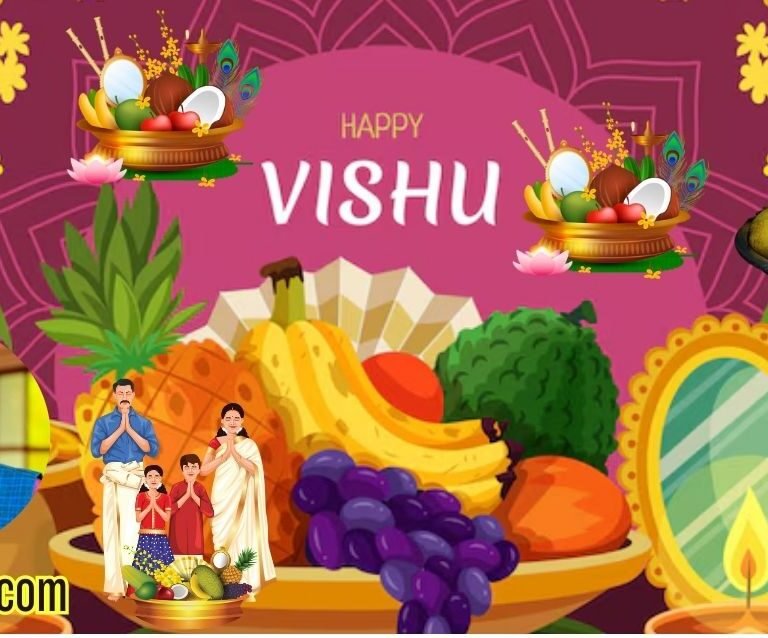
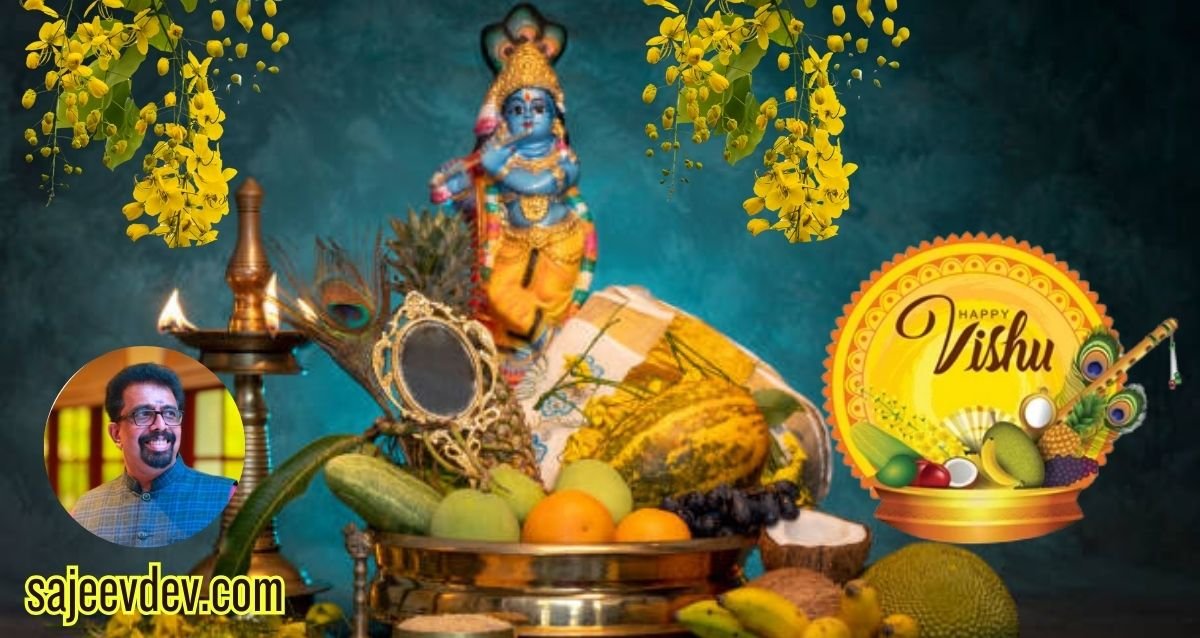
The items that make up the Vishukkani are carefully selected for their symbolic value. An arrangement of fresh rice, gold, vegetables, and fruits, alongside a mirror and an idol of Lord Krishna, embodies the essence of prosperity and abundance. Each item represents a facet of life that the community values, such as wealth, health, and happiness. For instance, the rice signifies sustenance and growth, whereas the golden ornaments reflect material wealth that provides security and comfort. The mirror serves as a reminder of self-reflection and enlightenment, reinforcing the notion that the new year is an opportunity for personal growth and renewal.
On this auspicious day, families initiate their celebrations by viewing the Vishukkani, a ritual that emphasizes gratitude and respect for the resources and blessings they have received. This act of sighting the Vishukkani is often followed by prayers and offerings, reinforcing the spiritual aspect of this festival. Moreover, the celebration transcends personal spheres; it fosters a sense of community as families come together to honor traditions passed down through generations. In this way, Vishukkani serves not only to usher in a new year but also to weave together the cultural and spiritual threads that define the Malayali identity.
Nostalgia: Waking Up to Vishukkani
Vishukkani, a deeply cherished tradition, holds a special place in the hearts of many, evoking a sense of nostalgia that permeates through generations. The early morning hours of Vishu are an enchanting time, often marked by the gentle sounds of temple bells and the enticing aroma of festive meals being prepared, signaling the arrival of this auspicious day.
As the sun begins to rise, families gather around the beautifully arranged Vishukkani, which typically consists of rice, fruits, flowers, and a mirror, symbolizing prosperity and growth. For children, waking up to the sight of Vishukkani is akin to the excitement of Christmas morning. The ritual often involves being blindfolded and led to the display, creating an aura of mystery and anticipation. The first glimpse of the Vishukkani is accompanied by the thrill of uncovering treasures, which include shiny coins, fresh vegetables, and decorative items, each carrying its significance.
Adults, on the other hand, often recount similar experiences from their childhood, reminiscing about the warmth of family gatherings and the joyful laughter that filled the air. These personal anecdotes reflect how the Vishukkani ritual strengthens familial bonds and continues to shape the cultural identity of individuals. Grandparents often play a pivotal role during this time, sharing stories about the origins of Vishu and imparting values associated with it, such as gratitude and hope for the future. The emotional connections fostered through this vibrant tradition serve to unite families across time, instilling a sense of belonging and shared heritage.
The bittersweet nostalgia associated with waking up to Vishukkani remains a powerful reminder of our roots and the significance of cultural practices. It is this nostalgic fervor that ensures the tradition endures, fostering appreciation for familial ties and the rich tapestry of cultural identity. As generations continue to embrace the celebration of Vishukkani, the heartfelt memories created during those early morning moments resonate deeply with all who partake in this beautiful ritual.
Essential Items for Vishukkani Setup
The celebration of Vishukkani is marked by the meticulous arrangement of symbolic items that represent prosperity, health, and well-being for the upcoming year. A traditional Vishukkani setup comprises several key components, each laden with significance. The foremost item is the mirror, often placed at the center of the arrangement. It symbolizes self-reflection and the inner joy of the new year. Upon viewing one’s image in the mirror, devotees are encouraged to contemplate their aspirations for the future.
Next are the fruits, which play a vital role in the Vishukkani setup. Commonly included fruits are bananas, mangoes, and coconuts, representing fertility, abundance, and sweetness in life. These fruits are typically arranged in a basket, signifying the earth’s bounty and the blessings of nature. Alongside these, a variety of vegetables such as pumpkin or gourds are also included, serving as a reminder of sustenance and nourishment that the new year brings.
Another significant aspect of the Vishukkani is the inclusion of gold items, particularly gold coins or jewelry. Gold signifies wealth and prosperity, believed to usher in financial stability. Moreover, a small Goddess Lakshmi idol or a photograph may also be placed to invoke blessings of prosperity and abundance. The arrangement may vary slightly based on regional customs; for instance, in some locales, people may include specific grains or pulses that hold local cultural importance.
Thus, the Vishukkani setup embodies a blend of devotion and cultural richness deeply ingrained in tradition, while its essential items serve as vibrant reminders of hope, plenty, and spiritual growth for the year ahead.
Steps to Set Up the Perfect Vishukkani
Setting up the perfect Vishukkani is a cherished tradition for many families, requiring careful planning and execution to ensure that the arrangement is both aesthetically pleasing and meaningful. The process typically begins several days in advance of Vishu, which falls on the first day of the Malayalam calendar. This time allows for thoughtful selection and arrangement of various items that symbolize prosperity and well-being.
To begin with, gather the essential items that will make up the Vishukkani. This usually includes a mirror, fresh fruits—such as bananas and coconut—rice, gold or brass items, and sacred texts or images of deities. Each of these components has a significant symbolic meaning, representing wealth, abundance, and spiritual fulfillment. The mirror, for instance, allows devotees to see their reflection as they first gaze at the setup, reinforcing the belief in looking forward to a prosperous new year.
Once the items are collected, the next step involves choosing a suitable location for the setup. Traditionally, this is done in the puja room or a well-lit area of the house. The arrangement should be elevated, often placed on a small platform or a stool, ensuring visibility for all family members. As you lay out the items, consider their placement carefully. Fruits should be arranged artfully, with the most auspicious items prominently displayed. Use flowers and colorful decorations to enhance the visual appeal while maintaining adherence to traditional aesthetics.
Timing is crucial for the Vishukkani setup. It is customary to prepare it the night before Vishu, allowing for a surprise reveal at dawn on the festival day. Family members gather early in the morning, with the first light symbolizing a new beginning. This ritualistic experience is often filled with excitement, strengthening familial bonds as they collectively witness the first sight of the Vishukkani.
Regional Variations in Vishukkani Setup
Vishukkani, an integral part of the festival of Vishu, is celebrated with much reverence and enthusiasm across various regions of Kerala. Each locality brings its unique touch to the tradition, influenced by local customs, available produce, and cultural nuances. As a result, the setup of Vishukkani may vary significantly from one region to another.
In the northern regions of Kerala, for instance, the Vishukkani setup often showcases an elaborate display that includes traditional elements such as rice, fruits, and vegetables sourced from local farms. Local favorites like ripe mangoes, bananas, and cucumbers might be included to symbolize prosperity and fertility. Each item carries its significance; rice embodies nourishment, while yellow ‘mavu’ (turmeric) is often added to enhance vibrancy, reflecting the agricultural lifestyle prevalent in these areas.
Moving further south, the coastal districts bring about a different perspective on Vishukkani. Here, fishermen’s harvest may play a significant role in the setup, incorporating fresh fish as a symbol of abundance and growth. Local floral arrangements and traditional ceremonial artifacts, such as lamps and mirrors, are also part of the display, highlighting the cultural influences that shape the celebrations. The coastal influence is reflected in both the choice of items and the overall aesthetic of the setup.
Additionally, some communities infuse their religious practices into the Vishukkani presentation. Temples may host community gatherings to collectively set up the Vishukkani, encouraging participation and fostering a sense of unity. This amalgamation of traditions ensures that, regardless of the regional variations, the essence of Vishukkani — welcoming prosperity and good fortune — remains at the forefront. Each setup narrates a story of local heritage and shared values, ultimately enriching the festival’s significance.
Involving Family in the Vishukkani Setup
The Vishukkani celebration, marking the Malayalam New Year, is a deeply rooted tradition that carries significant cultural importance. Engaging family members, particularly children, in the Vishukkani setup is a wonderful way to instill cultural values and foster a sense of belonging within the family unit. By coming together to prepare the Vishukkani, families can create meaningful connections and pass down cherished customs through generations.
Involving children in the setup not only makes the process enjoyable but also educates them about the symbolism and significance of each item included in the Vishukkani. For younger children, simple tasks such as arranging flowers or placing small decorations can be both engaging and educational. They can learn about the different elements, such as rice, fruits, and flowers, and their meanings in the context of prosperity and abundance.
Older children and teenagers can take on more complex responsibilities. They can assist in arranging the main offerings, such as the traditional lamp known as “nilavilakku,” and help in selecting the right fruits and vegetables that symbolize health and wealth. This not only enhances their understanding of the tradition but also boosts their confidence as they contribute meaningfully to the celebration.
Moreover, involving all family members in the Vishukkani setup encourages teamwork and communication. Parents can share stories about past celebrations and explain the significance of the ritual, thereby creating a deeper appreciation for their heritage. As family members work together, they foster a spirit of collaboration and unity, which enhances the overall celebration.
Ultimately, including family in the Vishukkani setup transforms it into a shared experience that reinforces the importance of family bonds and cultural traditions. It serves as an opportunity to teach younger generations about the values of gratitude and new beginnings, ensuring that the spirit of Vishukkani continues to thrive in future years.
Spiritual Rituals Associated with Vishukkani
Vishukkani, a cherished festival celebrated primarily in the Indian state of Kerala, is not merely a visual feast; it is deeply embedded in spiritual rituals that enhance its significance. As dawn breaks on Vishu, families gather to participate in the age-old custom of viewing the Vishukkani, which consists of various auspicious items such as rice, fruits, vegetables, and sacred images. This act of viewing represents not only the arrival of a new agricultural year but also the hopes and aspirations for prosperity and good fortune.
The spiritual essence of Vishukkani is accentuated by specific prayers and blessings that are recited during this early morning ritual. Devotees typically start their day by lighting a lamp, which symbolizes the dispelling of darkness and the ushering of light in their lives. This ritual serves to purify the atmosphere, inviting positivity and abundance into the home, and reflects the belief that the first sight one sees on Vishu can significantly influence the year ahead. It is a moment filled with devotion, where the family gathers to pray together, reinforcing their bonds through shared hope and spirituality.
Another meaningful aspect of these rituals is the recitation of traditional prayers, or ‘mantras,’ which are believed to invoke blessings from deities. As families invoke blessings of prosperity and happiness, the atmosphere is charged with optimism and faith. The traditional practice of preparing and sharing the Vishukkani resonates with the values of community and togetherness, reminding everyone of the importance of family ties. These spiritual rituals are thus pivotal, fostering connections not only among family members but also between the individual and the divine, enriching the observance of Vishu with a profound spiritual dimension.
Food Traditions on Vishu
The celebration of Vishu is deeply intertwined with a rich tapestry of culinary traditions that hold significant importance in the festivities. Central to these traditions is the Vishu Kaisaadi, a unique mixture of fresh fruits, vegetables, and traditional spices that embody the essence of the season’s bounty. This preparation is not merely a dish; it signifies prosperity, abundance, and good fortune for the upcoming year. On this auspicious occasion, families gather to create this vibrant dish, often comprising items such as mangoes, cucumbers, and various grains, which represent fertility and growth in the agricultural cycle.
Beyond the Vishu Kaisaadi, various other festive foods are prepared, each holding its own symbolic meaning. One cannot overlook the critical role of ‘Sadya,’ a traditional feast that features a diverse array of vegetarian dishes served on a banana leaf. The Sadya typically includes rice, sambar, avial, thoran, and a selection of pickles and desserts like payasam, all of which contribute to the overall celebratory atmosphere. The preparation of these dishes involves meticulous attention to detail, as families take pride in showcasing regional specialties that highlight the abundance of local produce and culinary expertise.
The communal aspect of these food traditions during Vishu cannot be overstated. Families and friends come together to share their creations, fostering a strong sense of community and togetherness. The act of preparing and sharing food becomes a means of strengthening bonds, as stories and laughter resonate through kitchens filled with the aroma of spices and freshly cooked dishes. On this day, food transcends its basic sustenance role; it embodies cultural heritage and collective joy, making the culinary traditions of Vishu an integral part of the overall celebration. As families unite over these cherished dishes, they enrich the spirit of Vishu, making the festival a memorable occasion steeped in tradition and festivity.
The Evolution of Vishukkani in Modern Times
Vishukkani, a cherished tradition primarily celebrated in Kerala, marks the New Year and is characterized by the elaborate arrangement of auspicious items such as rice, fruits, and flowers. Over the years, this time-honored practice has witnessed significant evolution owing to the diverse influences of modern lifestyles and technology. In contemporary society, the essence of Vishukkani continues to be celebrated, albeit with adaptations that reflect current family dynamics.
As families become increasingly urbanized and members pursue careers in different cities or countries, the communal aspect of Vishukkani has transformed. Traditionally, families would gather at the home of the eldest member, engaging in rituals that promote unity and togetherness. However, with some family members living far apart, virtual gatherings often supplement physical ones. Video calls have emerged as a means to share the experience of Vishukkani, allowing distant relatives to partake in the festivities and enhance bonds, albeit digitally.
The influence of modern technology extends beyond communication. Various mobile applications today offer innovative ways to plan and organize these rituals, showcasing a digital inventory of essential items for the Vishukkani setup. Such tools serve to streamline the preparation process, allowing individuals and families to focus more on celebrating the significance of the occasion rather than getting bogged down by logistics. Social media platforms further contribute to the tradition’s evolution, enabling families to share their Vishukkani arrangements and experiences with a broader audience, fostering a sense of community despite physical distances.
Balancing the preservation of this tradition with the incorporation of modern elements remains a delicate task. While embracing new experiences and influences, communities continue to value and uphold the spiritual and cultural significance of Vishukkani. This ongoing evolution ensures that the celebration remains relevant and accessible to newer generations, allowing the spirit of Vishukkani to thrive amid changing times.