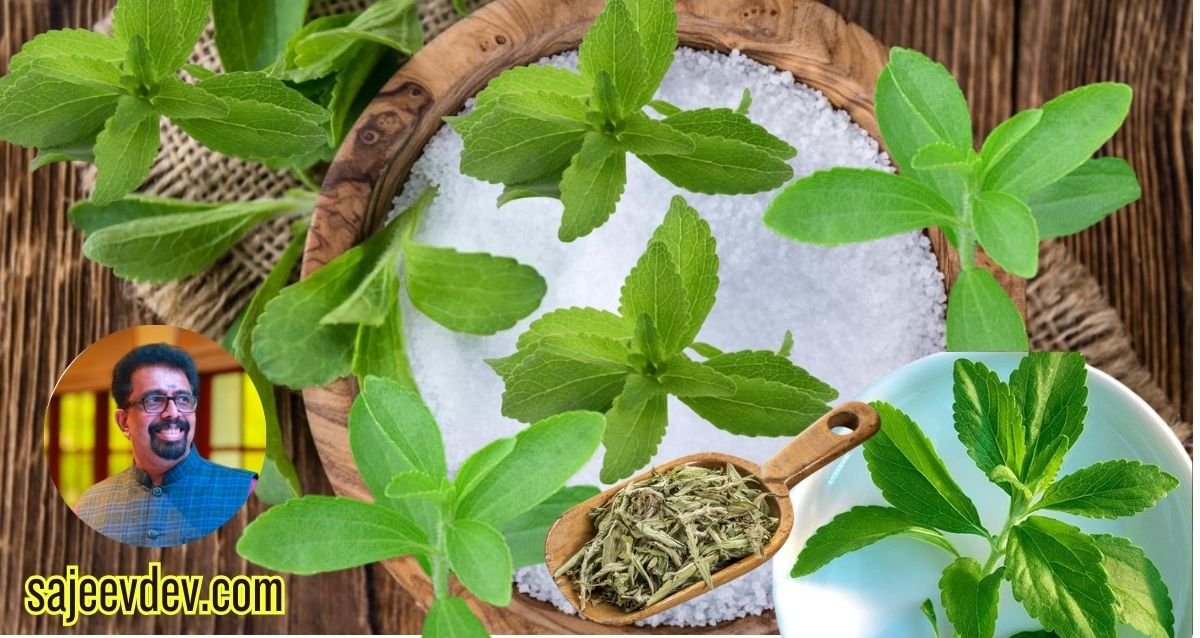

Stevia
Stevia, a natural sweetener derived from the leaves of the Stevia rebaudiana plant, offers an innovative alternative to conventional sugars. This plant, native to the regions of Paraguay and Brazil, has been utilized for centuries by indigenous peoples as a sweetening agent. Historically, the leaves of stevia were chewed for their sweet taste and used in various culinary applications, showcasing their multifaceted role in traditional diets.
The primary active compounds responsible for stevia’s sweetness are steviol glycosides, which are up to 300 times sweeter than sucrose while providing zero calories. This remarkable sweetness is achieved without the caloric content typical of conventional sugars, making stevia a particularly appealing choice for health-conscious individuals and those managing weight. Unlike artificial sweeteners, which often face scrutiny over potential health effects, stevia is a plant-based option that resonates with consumers seeking more natural alternatives.
As awareness of the adverse health effects associated with excessive sugar consumption has grown, the popularity of stevia has surged. Its rise parallels consumer demands for healthier living and the desire to reduce sugar intake without compromising on taste. Stevia not only fits within a range of dietary restrictions, such as veganism and gluten-free diets, but also accommodates diverse culinary applications. From enhancing the flavor of beverages to sweetening baked goods, stevia’s versatility has secured its place in modern kitchens.
This burgeoning interest in stevia is reflective of a broader trend towards natural sweeteners that align with contemporary health ideals. With a rich history, numerous applications, and an impressive sweetness profile, stevia continues to emerge as a leading choice among natural sweetening agents, making it an integral part of many people’s diets today.
Health Benefits of Stevia
Stevia, derived from the leaves of the Stevia rebaudiana plant, has garnered attention for its potential health benefits, particularly in the realm of diabetes management and weight control. As a natural zero-calorie sweetener, stevia is frequently used as an alternative to sugar, providing sweetness without the associated caloric intake. This makes it an appealing option for those looking to manage their blood sugar levels effectively.
One of the primary advantages of stevia is its potential to assist in blood sugar control. Research indicates that stevia may help regulate insulin and blood glucose levels, which is fundamental for individuals diagnosed with diabetes. Unlike traditional sugars, stevia does not cause spikes in blood sugar, making it a safe sweetening option for those monitoring their glucose levels. This makes stevia an invaluable addition to the diets of people seeking to maintain their blood sugar within a healthy range.
Moreover, stevia has been shown to support weight management efforts. Because it contains no calories, replacing sugary substances with stevia can aid in reducing overall caloric intake, thus contributing to weight loss or maintenance goals. This quality is especially beneficial for individuals who are trying to adhere to a healthier lifestyle while still satisfying their sweet cravings.
In addition to its role in blood sugar control and weight management, stevia may also offer other health benefits. Some studies suggest that stevia has antioxidant properties, potentially contributing to overall health by combating oxidative stress in the body. Overall, stevia represents a versatile and health-conscious sweetening option, allowing individuals to enjoy sweetness without compromising their well-being or dietary goals.
Stevia and Diabetes Management
Stevia, derived from the leaves of the Stevia rebaudiana plant, has gained recognition as a beneficial alternative sweetener, particularly for individuals managing diabetes. Unlike traditional sweeteners, stevia has a negligible effect on blood sugar levels, making it a viable option for those seeking to regulate their glucose. Research indicates that stevia can aid in blood sugar control by enhancing insulin sensitivity and reducing postprandial blood glucose spikes. This characteristic is vital for individuals with diabetes, as maintaining stable blood sugar levels is essential for overall health.
Studies have shown that stevia does not elevate blood glucose levels the way other sweeteners might. Its natural compounds, particularly stevioside and rebaudioside A, interact with the body’s glucose metabolism without causing significant increases in blood sugar. In a controlled clinical trial, participants who consumed stevia showed improved glycemic control compared to those who ingested sugar or other sweeteners. This aspect of stevia is significant, as stable glycemic control reduces the risk of complications associated with diabetes.
Incorporating stevia into a diabetic diet can contribute to healthier lifestyle choices by allowing individuals to enjoy sweet-tasting foods and beverages without the added calories or carbohydrates that can lead to glucose spikes. Additionally, stevia’s natural origin makes it a preferable choice over artificial sweeteners, which often carry varying side effects. Furthermore, the use of stevia can reduce the overall caloric intake, aligning with weight management goals for individuals with diabetes. Overall, as research continues to emerge on the properties of stevia, it is increasingly recognized as a valuable tool for diabetes management, supporting both health and dietary preferences.
Incorporating Stevia into Your Tea
Incorporating stevia leaves into your tea can significantly enhance your beverage’s flavor without adding calories, making it an excellent choice for those seeking a natural sweetener. The first step in adding stevia to your tea is to select the right type of tea that complements the sweetness of the leaves. Herbal teas such as chamomile or peppermint are particularly well-suited for pairing with stevia due to their naturally sweet and fragrant profiles. Green or white teas can also work harmoniously with stevia, providing a light and refreshing taste.
Once you have chosen your tea, the method of extracting sweetness from stevia leaves is critical. One effective way is to create a stevia infusion. To do this, take fresh or dried stevia leaves and add them to boiling water. Allow the mixture to steep for about 5 to 10 minutes, depending on your personal preference for sweetness. The longer you steep the leaves, the sweeter and more pronounced the stevia flavor will become. After steeping, strain the leaves and mix the infusion with your brewed tea. This method ensures a balanced sweetness that melds with your tea’s unique flavors.
Moreover, when brewing tea with stevia, it’s essential to consider the steeping times for optimal flavor. For black tea, a steeping time of 3 to 5 minutes is recommended, while green tea typically requires 2 to 3 minutes to prevent bitterness. When adding stevia to these teas, you can enjoy a delightful sweetness that does not overpower the natural characteristics. By experimenting with different tea varieties and steeping methods, you can discover the perfect blend that highlights the health benefits and taste of both stevia and your chosen tea.
Choosing the Right Stevia Product
When selecting a stevia product, it is essential to consider the different forms available: liquid extracts, powdered versions, and dried leaves. Each type has distinct characteristics and uses, making it vital to choose one that aligns with your needs. Liquid extracts are often favored for their convenience; they can easily be added to beverages like tea, providing a quick way to sweeten without affecting the beverage’s consistency. Moreover, liquid stevia typically offers a more concentrated sweetness, making it easy to achieve the desired taste with just a few drops.
Powdered stevia is another popular option, known for its versatility. This form can be used not only in beverages but also in baking and cooking. When opting for powdered stevia, it is important to check whether it is derived from pure stevia leaves or if it has been blended with other sweeteners or fillers. Pure powdered stevia will usually have a more pronounced sweetness and less aftertaste compared to mixed products.
Dried stevia leaves are the most natural form of the sweetener and can be found in health food stores or online. These leaves can be brewed in tea or crushed to create a home-made sweetener; however, their sweetness is less concentrated compared to extracts. It is worth mentioning that while dried leaves are minimally processed, they may require more time and effort to use effectively in daily routines.
When determining the quality of a stevia product, consumers should read labels carefully. Look for products labeled as “pure stevia” without artificial additives or preservatives. It is also advisable to check for certifications that indicate quality, such as organic certification, as this can assure that the product has been cultivated without synthetic pesticides and fertilizers. By choosing high-quality stevia products, you can enhance your tea experience while reaping the natural benefits of this zero-calorie sweetener.
Potential Side Effects of Stevia
Stevia, a natural zero-calorie sweetener derived from the leaves of the Stevia rebaudiana plant, has gained popularity for its ability to provide sweetness without added calories. However, as with any food product, it is essential to understand the potential side effects associated with its consumption. While many people enjoy this sweetener without any adverse effects, some may experience digestive issues or allergic reactions, particularly when consumed in excess.
One common concern associated with stevia is its impact on the digestive system. Some individuals may experience bloating, gas, or discomfort after consuming stevia. This could be attributed to the fact that stevia can act as a laxative when ingested in significant amounts. It is advisable to start with small quantities of stevia and gradually increase intake to gauge how your body responds. Such moderation is key to minimizing possible gastrointestinal distress.
Additionally, allergic reactions to stevia, though rare, are another consideration. Some individuals may have sensitivities to the plant compounds found in stevia leaves. Symptoms of an allergic reaction may manifest as skin rashes, itching, or respiratory issues. It is crucial to consult with a healthcare professional if any of these symptoms arise after using stevia products.
Furthermore, those with specific health conditions, such as diabetes or low blood pressure, should approach stevia intake with caution. While stevia is generally recognized as safe and beneficial for blood sugar management, it may interact with certain medications or affect blood glucose levels in ways that need careful monitoring. Thus, it is of utmost importance to consult a healthcare provider before making stevia a regular component of your diet.
In conclusion, though stevia provides many benefits, understanding potential side effects and maintaining moderation is essential for safe consumption and optimal health benefits.
Recipes for Stevia-Infused Teas
Stevia leaves are a versatile and natural sweetener that can enhance a variety of tea blends, providing a delightful flavor without the calories. Below are a few creative recipes that incorporate stevia to create delicious and nutritious tea experiences.
1. Stevia Green Tea with Mint
Start by brewing a cup of high-quality green tea. While the tea is steeping, add a handful of fresh mint leaves and a few stevia leaves to the pot. Allow the mixture to sit for about five minutes after removing it from heat. This combination not only gives a refreshing taste but also boosts the antioxidant content of the beverage, making it a perfect afternoon pick-me-up.
2. Chai Tea with Stevia
For those who enjoy a spiced flavor, prepare a chai tea by simmering black tea with spices such as cinnamon, ginger, and cardamom in water or milk. Once it has reached your desired strength, add stevia leaves to sweeten the drink naturally. This will provide a festive aroma and warm flavor while maintaining a calorie-free profile.
3. Hibiscus Tea with Stevia
Hibiscus tea offers a tart flavor that pairs wonderfully with the sweetness of stevia. Steep dried hibiscus flowers in boiling water, allowing them to infuse for around 10 minutes. Before serving, stir in a few crushed stevia leaves to balance the tartness. This beautiful red tea is rich in vitamin C and provides a refreshing option for hot summer days when served chilled.
4. Lemon Ginger Tea with Stevia
For an invigorating treat, slice fresh ginger and steep it in boiling water for five to ten minutes. Add the juice of half a lemon and sweeten the drink with stevia leaves to taste. This tea not only warms you up but also helps in digestion, making it a beneficial choice any time of the day.
Each of these recipes highlights the diverse applications of stevia leaves, demonstrating how they can elevate both the flavor and health benefits of various teas. Embracing stevia in your tea selections can lead to delightful and guilt-free sipping experiences.
Comparing Stevia to Other Sweeteners
Stevia has emerged as a popular natural zero-calorie sweetener, but how does it compare to other sweeteners in the market, both natural and artificial? Understanding these differences is crucial for consumers looking to make informed dietary choices.
One of the most common sweeteners is sugar, which, despite its palatable sweetness, is calorie-dense. A teaspoon of sugar contains approximately 16 calories, contributing to obesity and related health issues when consumed in excess. In contrast, stevia provides the sweetness equivalent to sugar without the calories, making it a favorable option for those monitoring their caloric intake.
Another popular sweetener is honey, praised for its natural origins. However, honey still contains calories, approximately 21 calories per teaspoon. While it offers some antioxidants and has antimicrobial properties, the calorie content makes it less ideal for weight management compared to stevia.
Artificial sweeteners, such as aspartame and sucralose, are also commonly used but come with their own set of controversies. Aspartame, for instance, is deemed safe by numerous health authorities, yet there are ongoing debates regarding its long-term health effects. Sucralose, while calorie-free, has faced criticism for potential impacts on gut health. In contrast, stevia is derived from the leaves of the Stevia rebaudiana plant and contains natural compounds, known as steviol glycosides, that provide sweetness without adverse effects.
The taste profiles of sweeteners vary considerably as well. Some consumers find that stevia has a distinct aftertaste, while sugar imparts a familiar flavor. However, stevia’s increasingly refined processing methods are improving its taste and making it more appealing to those accustomed to traditional sweet flavors.
In the landscape of sweeteners, stevia stands out for its calorie-free nature, natural origin, and less controversial health implications, positioning it as an attractive alternative for many individuals seeking healthful sweetening options.
Stevia for a Healthier Lifestyle
In summary, stevia leaves present a compelling option as a natural zero-calorie sweetener, particularly for those looking to enrich their tea experience without compromising health. As we have explored throughout this article, stevia’s numerous benefits extend beyond its sweetening capabilities. From its origins as a traditional herbal remedy to its modern-day applications in various dietary preferences, this plant-derived sweetener offers an appealing alternative to refined sugars and artificial sweeteners. One of the critical advantages of stevia is its ability to provide sweetness without added calories, making it an excellent choice for weight management and overall wellness.
Furthermore, the potential health benefits associated with stevia, such as supporting healthy blood sugar levels, have attracted considerable attention from health-conscious consumers. As we indulge in the sweet notes of stevia-enhanced tea, it is vital to remember the importance of moderation. While incorporating stevia into your daily regimen can enhance the flavor of your beverages, balancing it with a diverse and nutritious diet remains paramount.
Incorporating stevia into your tea can create a delightful experience, whether enjoyed hot or iced. By embracing this natural sweetener, you can savor the sweet benefits without the concerns typically associated with conventional sweetening agents. Therefore, consider making the switch to stevia leaves in your tea routines. This approach not only aligns with a healthier lifestyle but also allows for a more enjoyable and flavorful tea experience. Ultimately, as more individuals recognize the potential health benefits of stevia, its role as a mainstream natural sweetener is sure to grow, paving the way for a sweet, health-conscious future.