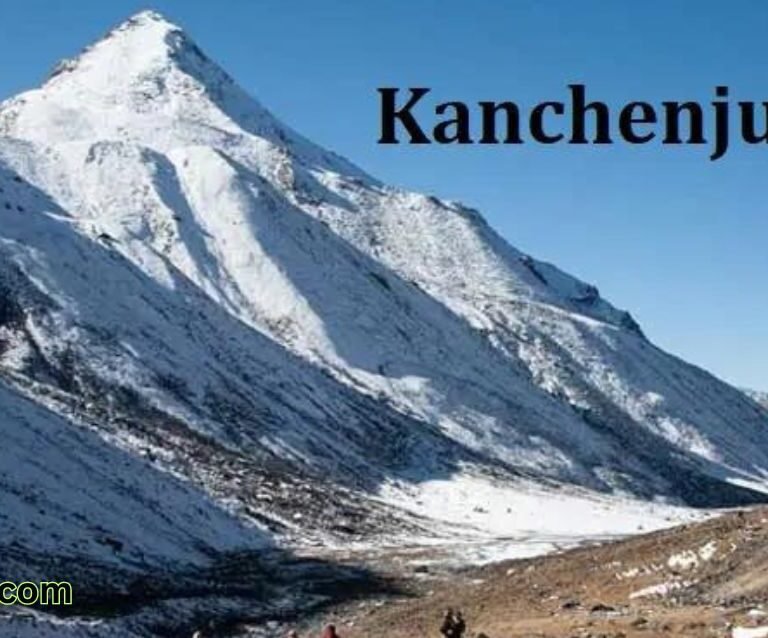
Perched majestically in Pakistan’s Himalayas, Nanga Parbat stands as one of the most formidable peaks on Earth
Perched majestically in Pakistan’s Himalayas, Nanga Parbat stands as one of the most formidable peaks on Earth. Known universally as the “Killer Mountain,” it towers to an imposing height of 8,126 meters (26,660 feet), ranking it as the ninth highest mountain in the world. The striking beauty of Nanga Parbat, characterized by its soaring ridges and daunting sheer faces, has made it both a coveted prize and a deadly challenge for mountaineers across the globe.
The mountain’s name, Nanga Parbat, originates from the Sanskrit words “nanga” and “parvata,” meaning “naked mountain.” Despite its serene moniker, the nickname “Killer Mountain” aptly reflects the stark reality of its treacherous and arduous ascents. Since its first ascent in 1953, Nanga Parbat has claimed numerous lives, with fatality rates often cited as being among the highest of any Himalayan peak. The mountain’s rugged terrain, unpredictable weather conditions, and frequent avalanches contribute to its perilous nature.
Situated in the Gilgit-Baltistan region, Nanga Parbat is part of the western Himalayas, near the Karakoram range. Its unique geographical position provides an intricate and varied climb, attracting seasoned climbers who seek to push their limits. However, the same factors that allure adventurers also confront them with life-threatening challenges, making each expedition fraught with uncertainty.
The fearsome reputation of Nanga Parbat is well-founded. Climbers face extreme elevation, sub-zero temperatures, and oxygen scarcity, testing the limits of human endurance. The mountain’s notorious Rupal Face, known as the world’s highest mountain face, presents an almost vertical climb of 4,600 meters (15,091 feet), an intimidating feat that has deterred even the most skilled alpinists.
In exploring the deadly intrigue of Nanga Parbat, one cannot ignore the historical and ongoing lure it holds for the mountaineering community. This mountain, despite its peril, continues to beckon climbers, challenging their resilience and spirit with every ascent.
Geographical Setting
Nanga Parbat, one of the most formidable peaks in the world, is located in Gilgit-Baltistan region of Pakistan, standing majestically within the western Himalayas. Its towering height of 8,126 meters (26,660 feet) makes it the ninth highest mountain on Earth. Nestled at the western end of the Himalayan range, Nanga Parbat’s geographical setting is both striking and perilous, often referred to as the “Killer Mountain” due to its treacherous terrain and harsh climatic conditions.
The Rupal Face, rising more than 4,600 meters (15,100 feet) from base to summit, is the highest mountain face in the world. This monumental wall of ice and rock presents not just a physical challenge but a psychological one as well, with its sheer vertical ascent daunting even the most seasoned climbers. On the opposite side lies the Diamir Face, equally notorious, offering both beauty and danger in its massive, rugged slopes.
The topography of Nanga Parbat is characterized by its labyrinth of ridges, crevasses, and glaciers, each contributing to the unpredictable nature of the climb. The Mazeno Ridge, extending nearly 13 kilometers (8 miles), marks one of the longest arêtes of any eight-thousander, further underscoring the mountainous complexity that defines Nanga Parbat.
Climatic conditions in this region are another critical factor in the mountain’s peril. Severe sub-zero temperatures, heavy snowfall, and violent winds heighten the risk factors, making Nanga Parbat an unpredictable adversary. Its placement in the rain-shadow of the main Himalayan range results in slightly drier conditions compared to its eastern counterparts, however, the weather remains highly volatile and prone to sudden changes. These harsh climatic elements, combined with the topographical features, create a uniquely hazardous climbing environment.
Understanding the geographical setting of Nanga Parbat provides crucial insight into the immense challenges climbers face. From its lofty Rupal and Diamir faces to its treacherous ridges and severe climatic conditions, Nanga Parbat stands as a colossal testament to the wild, untamed power of the Himalayas.
Historical Attempts and First Ascent
The formidable Nanga Parbat, rising to an altitude of 8,126 meters, has beckoned climbers since the early 20th century. The allure of this Himalayan giant, also known as the “Killer Mountain,” has often turned into perilous endeavors, claiming numerous lives before yielding to human determination.
The quest to conquer Nanga Parbat began earnestly in the early 1930s with German expeditions spearheading the initial attempts. One of the earliest recorded efforts was led by Willy Merkl in 1932, which, despite meticulous planning and immense effort, culminated without success. A subsequent expedition in 1934, also under Merkl’s leadership, epitomized the mountains’ deadly reputation. Harsh weather and unforeseen calamities struck hard, leading to the tragic demise of Merkl and several of his teammates.
The mountain then saw a lull in climbing attempts, but in 1937, another German expedition under Karl Wien made a fresh bid. However, this too, ended in disaster when an avalanche claimed 16 lives, adding to the growing mythos of Nanga Parbat’s lethal nature. The mountain persisted as an unconquerable adversary through World War II and the late 1940s, with each attempt illustrating the extreme challenges climbers faced — severe weather, treacherous slopes, and altitude sickness.
It was not until the 1950s that a significant breakthrough occurred. On July 3, 1953, Hermann Buhl, an Austrian climber, achieved what seemed impossible by making the first successful ascent of Nanga Parbat. Remarkably, Buhl’s climb was both a solo and unassisted effort, lacking supplemental oxygen. He faced a grueling 41-hour ordeal and reached the summit, heralding a monumental feat in the annals of mountaineering history. Buhl’s expedition underscored the relentless perseverance and resilience required to conquer such a fearsome peak.
The early attempts and Buhl’s unprecedented ascent laid the groundwork for future climbers, embedding Nanga Parbat in the collective psyche as a monumental challenge — a test of endurance and an emblem of human spirit battling the immensities of nature.
The Rupal Face
The Rupal Face of Nanga Parbat is widely regarded as one of the most formidable challenges in the realm of high-altitude mountaineering. Towering at an astonishing 4,600 meters (over 15,000 feet), this sheer vertical escarpment presents a daunting barrier to climbers, frequently testing the utmost limits of their physical endurance and mental resilience.
Often dubbed the “highest mountain face in the world,” the Rupal Face is a colossal wall of ice, rock, and snow that demands unparalleled technical prowess and exceptional acclimatization strategies. Its vertiginous slopes and relentless exposure to the elements mean that climbers must be adept at both ice and rock climbing disciplines. The route to the top is fraught with a variety of challenges, including crevasses, seracs—unstable blocks of ice—and rapidly changing weather conditions. Every ascent necessitates meticulous planning and strategizing, where the margin for error is virtually non-existent.
Unlike other high-altitude challenges, the Rupal Face’s complexity lies not only in its physical demands but also in its psychological impact. The sheer verticality and isolated environment can exert immense mental pressure on climbers. Long periods of exposure to harsh winds, plummeting temperatures, and the constant threat of avalanches test even the most seasoned mountaineer’s psychological fortitude. Therefore, success on the Rupal Face is often as much a test of mental tenacity as it is of technical mountaineering skills.
This formidable facade of Nanga Parbat has rightly earned its fearsome reputation among the mountaineering community. It is not merely a climb but a grueling trial that serves as a benchmark for alpinists looking to push the boundaries of what is humanly possible. As climbers endeavor to conquer the Rupal Face, they are participating in a legacy of unparalleled adventure, embracing the ultimate challenge that the Himalayas have to offer.
Accidents and Fatalities
Nanga Parbat, often referred to as the “Killer Mountain,” has earned a grim reputation due to the numerous accidents and fatalities that have occurred over the years. The allure of its imposing height and challenging terrain has drawn numerous climbers, some of whom have met with tragic ends. The series of accidents and fatalities has cemented Nanga Parbat’s status as one of the most dangerous peaks in the Himalayas.
The tragic events of 1934 marked the beginning of Nanga Parbat’s lethal legacy. During this expedition, led by German climber Willy Merkl, the team faced insurmountable weather conditions. Despite their earnest efforts, several climbers, including Merkl himself, perished due to exhaustion and exposure. This incident underscored the mountain’s deadly nature, illustrating that even the most experienced mountaineers are vulnerable to its rigors.
Another dark chapter in Nanga Parbat’s history unfolded in 1970, involving the famous Messner brothers, Reinhold and Günther. The siblings successfully reached the summit, but their descent turned catastrophic. An avalanche claimed Günther’s life and left Reinhold grievously injured. This tragedy was compounded by the intense debate and controversies regarding the exact circumstances of the accident, further highlighting the mountain’s danger and the complexities of high-altitude climbing.
The 2013 massacre is perhaps one of the most shocking events in recent history, delineating Nanga Parbat’s unpredictability. A group of ten climbers from various countries were brutally attacked and killed by terrorists at the base camp. This atrocity sent shockwaves throughout the global mountaineering community, emphasizing that the dangers at Nanga Parbat extend beyond natural elements and encompass geopolitical risks as well.
These key incidents contribute to a broader narrative that renders Nanga Parbat an embodiment of peril and unpredictability. While its enchanting beauty continues to attract climbers worldwide, the inherent risks serve as a sobering reminder of the price many have paid in their pursuit of conquering this formidable peak.
Modern Climbing Expeditions
Modern climbing expeditions on Nanga Parbat reflect significant advancements in technology, gear, and techniques, transforming the way climbers approach this daunting peak. The challenges of altitude, weather, and avalanches remain ever-present, but contemporary climbers are now armed with enhanced tools and strategies to tackle these obstacles more effectively.
Technological innovations play a crucial role in contemporary ascents. Satellite communication devices facilitate real-time weather updates and emergency contact, which significantly improves safety. Additionally, GPS navigation systems provide accurate positioning, helping climbers traverse the treacherous terrain with greater precision and confidence.
Improved gear has revolutionized the climbing experience as well. Lightweight, durable materials in clothing and equipment ensure climbers are better protected against the elements while reducing the physical strain of carrying heavy loads. Modern tents, sleeping bags, and cooking systems are specifically designed to withstand extreme conditions, offering a higher level of comfort and security at high altitudes. Ice axes, crampons, and harness systems have also seen advancements, enhancing maneuverability and safety.
New techniques have emerged, incorporating both traditional climbing skills and innovative approaches. Climbers now employ advanced acclimatization methods, spending extended periods at intermediate altitudes to reduce the risk of altitude sickness. High-altitude training regimens and specialized nutrition plans further prepare climbers for the grueling demands of Nanga Parbat. Additionally, the use of fixed ropes and supplementary oxygen has become more prevalent, providing crucial support during summit attempts.
Notable ascents in the 21st century illustrate these advancements. In 2016, Spanish climber Alex Txikon, along with his team, completed a historic winter ascent without supplemental oxygen, showcasing remarkable endurance and skill. Similarly, Nirmal Purja’s 2019 ascent was part of his record-breaking mission to climb all 14 of the world’s 8,000-meter peaks in under seven months, underscoring the role of efficient logistics and physical preparedness.
These modern expeditions highlight the evolution of mountaineering on Nanga Parbat, demonstrating how climbers continue to push the boundaries of what is achievable, while leveraging modern advancements to enhance their chances of success and survival on this lethal challenge of the Himalayas.
Impact on Local Communities
Nanga Parbat, often referred to as the “Killer Mountain,” has a profound impact on the local communities that reside in its shadow. The mountain’s imposing presence and notoriety are deeply woven into the socio-economic and cultural fabric of these areas. One of the most significant contributions of Nanga Parbat to local economies lies in the field of mountaineering. The influx of climbers, adventurers, and tourists generates considerable revenue, providing employment opportunities for local guides, porters, and other service providers.
Local guides and porters play critical roles in ensuring the success and safety of expeditions. These individuals possess extensive knowledge of the terrain, weather conditions, and optimal routes. Their expertise is invaluable to climbers who often rely heavily on their guidance and support. However, despite their crucial involvement, many local guides and porters work under challenging conditions and receive limited financial compensation. The economic benefits of mountaineering are not always equitably distributed, leading to ongoing discussions about fair wages and working conditions.
Beyond economic aspects, Nanga Parbat holds immense cultural significance for local communities. The mountain is often seen as a symbol of resilience and endurance, embodying the spirit of the region. Local folklore and traditions are rich with tales and legends about Nanga Parbat, infusing a sense of pride and identity among the inhabitants. Cultural festivals and rituals frequently feature the mountain, reflecting its deep-rooted importance in local heritage.
Despite the challenges, the relationship between Nanga Parbat and the surrounding communities is one of interdependence and mutual influence. The mountain not only brings challenges but also provides opportunities for cultural preservation and economic growth. Local efforts to balance the influx of tourism with the need to maintain cultural integrity and environmental sustainability are crucial for the long-term well-being of these communities.
Conservation and Environmental Concerns
Nanga Parbat, a towering peak in the Himalayas, is not only known for its formidable climbing challenges but also for the environmental concerns that arise from human activity in the region. With increasing numbers of climbers and trekking enthusiasts, the ecological footprint on this pristine landscape has become a pressing issue. Consequently, balancing the allure of adventure with the need for conservation is essential to preserving this natural wonder.
The impact of climbing expeditions on Nanga Parbat’s ecosystem cannot be overstated. The influx of climbers has led to significant changes in the environment, including soil erosion, vegetation damage, and littering. Waste management becomes particularly challenging in such remote areas, leading to pollution that can affect both the local wildlife and water sources. The degradation of natural habitats not only threatens the biodiversity but also undermines the aesthetic and intrinsic value of the region.
Preservation of natural resources is a critical component in maintaining the health and beauty of Nanga Parbat. Measures such as restricting the number of climbing permits, implementing strict guidelines for waste disposal, and encouraging eco-friendly practices among climbers are steps toward mitigating human impact. Local communities and authorities play a pivotal role in enforcing these regulations and spreading awareness about the importance of conservation.
Moreover, ongoing efforts to strike a balance between human activity and environmental stewardship are crucial for the sustainable future of Nanga Parbat. Various non-governmental organizations, in collaboration with local and international stakeholders, are focused on promoting responsible tourism and environmental education. Their initiatives often include clean-up campaigns, reforestation projects, and community-based conservation programs aimed at protecting the fragile alpine ecosystem.
The challenge lies in ensuring that the fascination with conquering Nanga Parbat does not lead to the exploitation and degradation of the environment. Through collective efforts and a commitment to sustainable practices, it is possible to safeguard this majestic peak for generations to come, allowing both adventurers and nature to coexist harmoniously.